
We're constantly reminded of the benefits of staying hydrated, but drinking enough water can be tricky. But can drinking too much water be bad for you? And how do you know if you've had too much?
Drinking too much water i.e. Overhydration can cause symptoms ranging from mild and slightly annoying to life-threatening. While drinking a couple more glasses of water on top of your typical hydration may cause you frequent bathroom runs, mild overhydration won't get you close to extreme risk. Rather, the life-threatening risks lie in drinking excessive amounts of water, particularly when combined with a loss of key electrolytes.
Drinking too much water can result in a condition called hyponatremia, which is a dangerous drop in blood sodium levels, Sodium is an important electrolyte regulating where water is distributed throughout the body and how much is sent to the bladder. it's relatively uncommon to attain water intoxication. It occur usually in ultra-endurance athletes or people with particular health conditions. The life-threatening scenario happens during or after bouts of extreme sweating and fluid loss when someone hydrates with plain water instead of a combination of water and electrolyte-replacement drinks. While water is the best choice most of the time, there are benefits to consuming sports drinks that contain electrolytes like sodium and potassium when conditions contribute to excessive sweating. For ultra-endurance athletes, sports drinks aren't just good to have if available but are usually required by the body to maintain fluid and electrolyte equilibrium.
Water intoxication and hyponatremia aren't issues most people need to worry about when it comes to daily hydration because our body will naturally slow or halt our water intake by triggering a few mild and slightly annoying side effects.
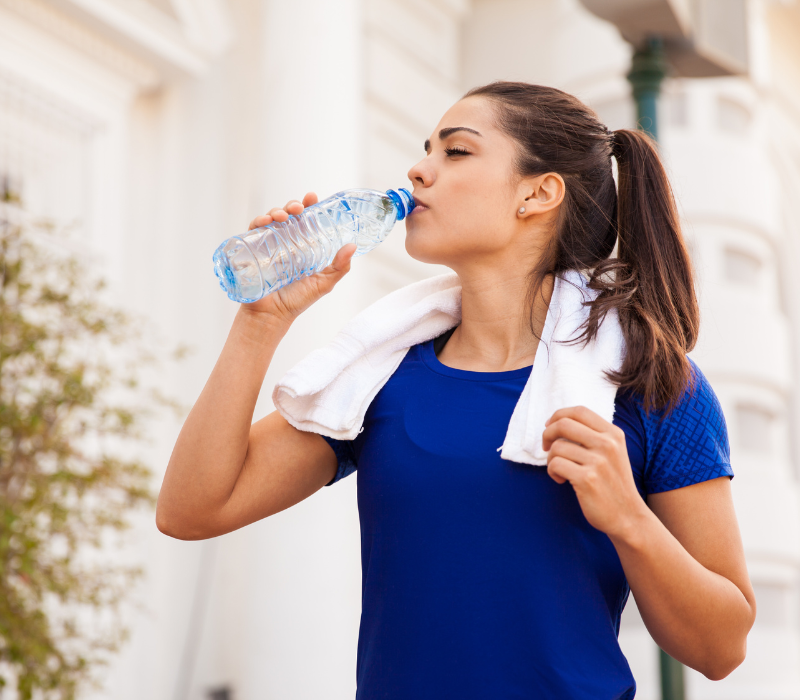
Signs You Are Drinking Too Much Water
1. Clear watery urine
The color of your urine—and how often you run to the bathroom—can be a good indicator of your hydration status. Urine color typically ranges from light, almost clear to pale yellow. If your pee is clear more often than not, it can be a sign that you're drinking too much water in a short time or that you're taking in slightly too many fluids overall.
Note: some dietary supplements turn your pee darker, so monitoring urine color may not always be the best approach in that case.
2. Frequent desire for urination.
Going to the bathroom more than usual means you're drinking too much water. Caffeine and alcohol consumption can also cause more frequent urination. Normally people urinate 6 to 8 times a day, though going up to 10 times a day is within normal range. On the one hand, these bathroom runs can help you get steps in and act as a mini de-stressor by forcing a momentary break from your computer. However, if the uptick in bathroom trips compromises your job or day-to-day activities and your pee is clear, you may want to consider cutting back in the liquids.
3. Feeling Bloated or Nausea.
The kidneys have limitations of how much water they can excrete at a time, which is a maximum of 800 to 1,000 ml / hour, Anything that exceeds that amount essentially waterlogs the body. When the body can't rid itself of excess water, cells swell to accommodate it. As a result, you may feel puffy and bloated. A stomach full of water also makes many people feel a little nauseous—if contemplating drinking more fluids makes you feel a little sick to your stomach, that may be a sign that you need to slow your hydration.
4. Headache or Brain Fog
Sodium levels decrease slightly when the body becomes waterlogged, causing cells to swell. Because the brain is enclosed in the skull, there's almost no room for cells to expand. This creates pressure, causing headaches and even brain fog. There's no exact data on what level of sodium in the blood causes these early symptoms—it probably varies from person to person. Fortunately, for the average person, drinking too much water usually leads to nothing more than an increase in bathroom breaks.
How much water we need for adequate hydration ?
Fluid doesn't just come from water, it also from any beverage you drink and many foods. Roughly 20% of daily fluid intake usually comes from food, and the rest from drinks. If soups, fruits, veggies and smoothies are a regular part of your diet, then you might not need to replenish as often—the same goes for foods that melt at room temperature.